Source Waterproof Crystal Heels for Weddings, Parties, and Business
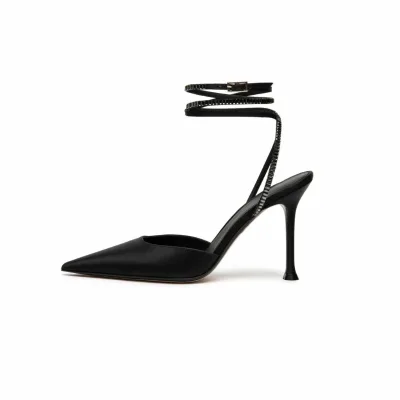
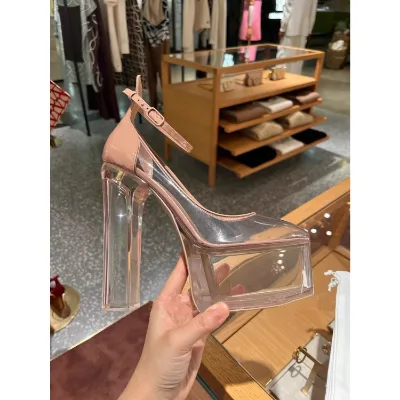
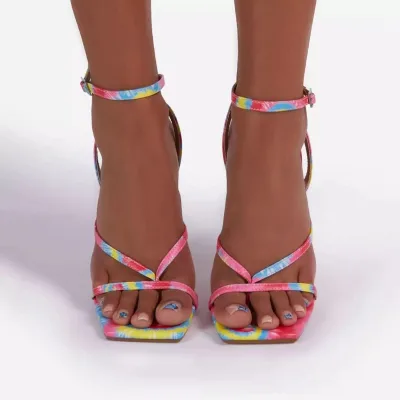
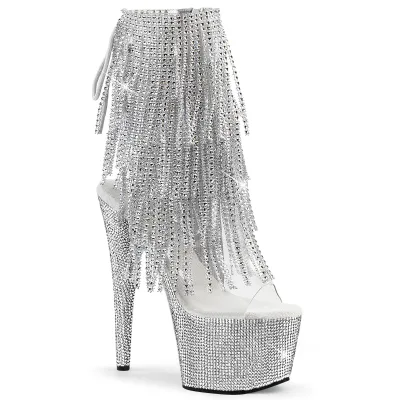
Explore 30 listings for waterproof crystal heels designed for summer and business wear. Compare options featuring low or high stiletto heels, EVA and rubber soles, and PU leather uppers. Find versatile styles including ankle boots and peep-toe sandals with customizable logos and sizes.
Key considerations
Products List









Comprehensive Sourcing Guide
Waterproof Crystal Heels Sourcing Guide
Procuring waterproof crystal heels requires balancing aesthetic transparency with functional durability, as the core keyword implies a specific intersection of style and weather resistance. Buyers must verify that the "crystal" elements are securely bonded to the upper material, which often involves PVC or PU leather, to prevent delamination during wet conditions. The observed market data indicates a wide range of heel heights, from low profiles to high stilettos, necessitating a clear definition of the intended use case before engaging suppliers.
Commercial listings reveal significant variation in sole composition, with rubber and EVA materials appearing frequently to ensure traction and water resistance. Sourcing teams should prioritize suppliers who explicitly state waterproof capabilities in their product attributes, as this feature is not universal across all transparent sandal styles. Understanding the distinction between water-resistant coatings and fully waterproof construction is critical for selecting footwear that maintains structural integrity in rainy environments without compromising the visual appeal of the crystal details.
Product Scope and Observed Listing Signals
The current market for waterproof crystal heels displays a diverse range of styles, including ankle boots and heeled sandals, catering to both casual and business occasions. Observed listings highlight specific design elements such as peep toes, round toes, and magic tape closures, which influence the overall fit and ease of wear. Buyers should note that while some products are marketed for summer use, others are designed for spring and autumn, suggesting that material thickness and lining play a crucial role in seasonal adaptability.
Listing signals also indicate a broad spectrum of color options, from classic neutrals like black and beige to vibrant hues such as pink, gold, and multi-color combinations. The presence of customization options for logos and specific packing requirements suggests that many suppliers are prepared to handle bulk orders with tailored branding. However, the variation in single gross weights, ranging from 1.000kg to 1.500kg, signals differences in material density and construction quality that buyers must evaluate to ensure the final product meets their specific weight and comfort expectations.
Technical Specifications to Verify
When evaluating technical specifications, the upper material composition is a primary verification point, with PVC and PU leather being the most common choices for waterproof applications. Buyers must confirm that the lining material, often PU, is compatible with the upper to prevent internal moisture accumulation and ensure breathability. The sole material, typically rubber or EVA, requires scrutiny to ensure it provides adequate slip resistance, especially since the product attributes explicitly mention waterproof capabilities that must be maintained through the outsole interface.
Heel height and shape are critical technical variables that affect both stability and the visual impact of the crystal elements. Listings show a range from low heels of 1-3cm to high stiletto heels, each presenting different engineering challenges for waterproof sealing. Verification should include checking the shoe size range, which spans from US 5 to 19, to ensure the supplier can accommodate the specific sizing needs of the target demographic. Additionally, the presence of height-increasing features should be confirmed to ensure they do not compromise the waterproof integrity of the heel structure.
Compliance and Safety Documentation
Compliance documentation for waterproof footwear often involves verifying adherence to chemical safety standards, particularly regarding the materials used in the upper and sole. While specific certification statuses like REACH or ISO 20345 are mentioned in background contexts, buyers must request current test reports to confirm that the PVC and PU materials used do not exceed permissible limits for harmful substances. This verification is essential to ensure that the waterproof coatings and crystal adhesives meet international safety requirements for consumer goods.
Safety documentation should also address the structural integrity of the heel and sole under wet conditions, as waterproofing can sometimes alter the friction properties of the outsole. Buyers should request evidence that the products have been tested for slip resistance in wet environments, ensuring that the "waterproof" claim does not inadvertently create a safety hazard. Confirming that the supplier follows established production standards, such as those indicated by the observed packing and standard dimensions, helps mitigate risks associated with inconsistent manufacturing quality.
Cost Drivers and Commercial Terms
Cost drivers for waterproof crystal heels are heavily influenced by the complexity of the crystal application and the quality of the waterproof sealing process. The use of high-quality PVC or PU leather, combined with rubber or EVA soles, creates a baseline cost that varies based on the heel height and the intricacy of the design, such as ankle straps or peep toes. Buyers should anticipate that customization options, including logo printing and specific packing configurations, will add to the unit price and require careful negotiation of the minimum order quantities.
Commercial terms often include specific packing standards, such as 20x20x20 cm or 32x21x12 cm cartons, which impact shipping costs and logistics planning. The observed MOQ range of 1 to 3000 units suggests flexibility for both small trial orders and large-scale procurement, but buyers must clarify lead times and production capacity to avoid delays. Understanding the relationship between the single gross weight and the total carton weight is vital for calculating accurate freight charges and ensuring that the shipping terms align with the buyer's budget constraints.
Supplier Qualification and Quality Control
Supplier qualification should focus on verifying the consistency of their manufacturing processes, particularly regarding the bonding of crystal elements to waterproof uppers. Buyers must assess whether the supplier has a track record of producing non-handmade items with consistent quality, as indicated by the "Not Handmade" attribute in many listings. Quality control protocols should include rigorous testing of the waterproof seal at the junction of the upper and sole to prevent leaks, which is a common failure point in transparent footwear.
Quality control measures must also address the durability of the heel structure, especially for high-heeled styles that are prone to stress fractures. Buyers should request samples to test the flexibility and strength of the materials, ensuring that the height-increasing features do not compromise the shoe's stability. Verifying the supplier's origin, such as Sichuan or other regions in China, can provide insights into their logistical capabilities and their familiarity with international shipping standards, which is crucial for maintaining supply chain reliability.
Long-Term Procurement Checks
Long-term procurement checks should involve periodic audits of the supplier's ability to maintain consistent waterproof performance over time. Buyers need to monitor whether the materials used, such as PVC and rubber, degrade under repeated exposure to moisture and UV light, which can affect the clarity of the crystal elements. Establishing a feedback loop for customer complaints regarding water leakage or sole separation will help identify potential quality issues before they escalate into larger supply chain disruptions.
Sustainability and material sourcing should also be part of the long-term strategy, as the demand for eco-friendly alternatives to traditional PVC and PU grows. Buyers should inquire about the supplier's plans to adopt more sustainable materials without compromising the waterproof or aesthetic qualities of the product. Regular reviews of the supplier's production standards and their ability to adapt to changing market trends will ensure that the procurement relationship remains robust and capable of delivering high-quality waterproof crystal heels for years to come.
FAQs
Can I find waterproof crystal heels with low heel heights?
Yes, waterproof crystal heels are available with low heel heights ranging from 1 to 3 centimeters. These styles often feature round toes and are designed for summer seasons. They typically use EVA soles and PU leather uppers to ensure durability while maintaining a comfortable profile for daily casual wear.
What customization options exist for these ladies sandals?
Customization is available for these ladies sandals, allowing buyers to request specific design adjustments. You can often find options for customized logos on the product. The items are not handmade and come in various colors including black, grey, and white to suit different business or casual requirements.
Which materials are used for the upper part of these boots?
The upper part of these boots is constructed using PU leather or PVC materials. Some models also feature transparent crystal clear designs. These materials are paired with rubber outsoles to provide waterproof protection and ensure the footwear remains durable during summer or spring seasons.
How are these products packed for international shipping?
These products are packed individually in boxes with dust bags, with twelve pairs per carton. Standard packaging dimensions vary, with some cartons measuring 32 by 21 by 12 centimeters. Other configurations may use 20 by 20 by 20 centimeter boxes depending on the specific model and supplier location.
Can I source these heels from manufacturers in China?
Yes, you can source these heels from manufacturers located in China, including specific regions like Sichuan. The products originate from Chinese factories and are available in various styles such as ankle boots or heeled sandals. Buyers can expect single item selling units with customizable features.
What sizes are available for these women's crystal heels?
Available sizes for these women's crystal heels range from US 5 to 19, including specific sizes like 8, 9, 10, and 12. European sizes typically span from 34 to 46. These sizes accommodate various foot shapes and are suitable for business or casual occasions depending on the specific style selected.
Are these sandals suitable for business environments?
Yes, certain models of these sandals are explicitly suitable for business environments. They often feature high heels with stiletto shapes and come in professional colors like gold, white, and pink. The design includes ankle straps and height-increasing features to meet professional appearance standards.